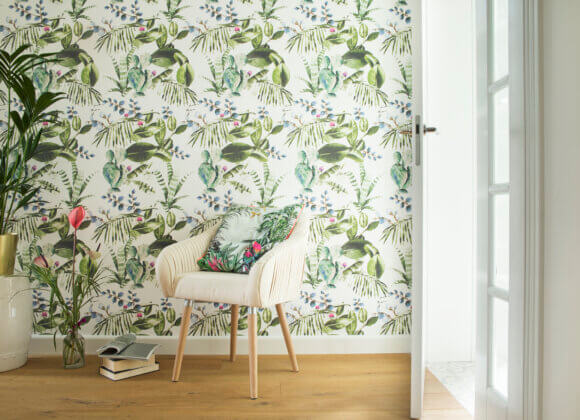

Frosted glass, tinted mirrors, and softly blurred surfaces bring a new sense of lightness to our living spaces. Instead of crystal-clear views, the focus is suddenly on soft reflections, subtle transparency, and atmospheric plays of light. Interior design expert Stefanie Winter explains why less visibility sometimes means a higher quality of living and how you can bring the “Fog Aesthetic” into your own home.
Not everything has to be visible at first glance. Sometimes it’s precisely the things that can only be sensed that make a space particularly interesting. A soft glow behind a satin-finished glass door, shadowy contours in a ribbed glass facade, or warm reflections in a bronze-colored mirror: The so-called “Fog Aesthetic” plays with our perception and lends interiors an almost mysterious atmosphere. After years of smooth surfaces, clear glass panels, and flawless reflections, a new sense of softness is now making its way into the world of interior design.
“I like spaces where not everything is obvious at first glance,” says interior design expert Stefanie Winter. For her, the appeal of this trend lies above all in the thoughtful use of light, materials, and transparency. After all, good interior design doesn’t always have to reveal everything. Sometimes a slight sense of mystery is enough to give a room more depth and personality.
What is the Fog Aesthetic, and why is this interior design trend so popular?
The term “Fog Aesthetic” can be roughly translated as “fog aesthetics.” It refers to a design that does not rely on sharp contrasts and maximum transparency, but rather on diffuse surfaces, subdued reflections, and soft transitions of light.
Frosted or satin-finished glass, ribbed glass surfaces, and tinted mirrors are among the most important design elements. They blur contours, filter views, or alter reflections, thereby creating a unique sense of spatial depth.
Behind this lies a shift in people’s living needs. Rooms should not only be beautiful and functional, but also convey a sense of calm and create a feeling of security. “To me, clarity doesn’t mean that everything has to be transparent,” explains Stefanie Winter. A well-designed space can certainly spark curiosity and hold little secrets.
How do frosted glass and tinted mirrors change the feel of a room?
Light is one of the most important factors in creating a room’s atmosphere. And hardly any other material influences its effect as directly as glass.
While a classic mirror reflects its surroundings largely unaltered, a tinted mirror creates a different mood. Bronze makes reflections appear warmer and softer, while smoky gray has a cooler, more subdued effect.
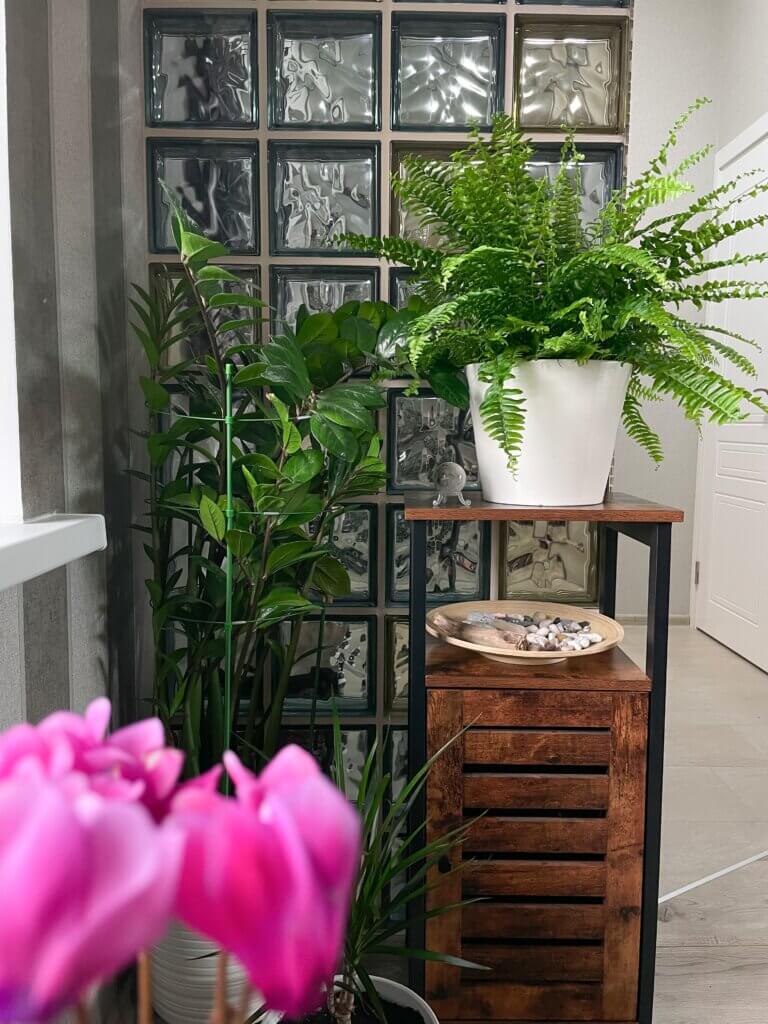
Frosted glass serves a different purpose: It allows light to pass through without revealing the view completely. Furniture and objects behind it are often only vaguely visible. This makes it possible to visually connect areas while simultaneously separating them from one another.
However, there are also limitations. Satin-finished glass surfaces diffuse light and, depending on the design, can reduce the amount of light that passes through. Tinted mirrors also reflect less light than clear mirrors. Therefore, the choice should not be based solely on aesthetic considerations but should always take lighting conditions into account as well.
Where can frosted glass be used in the home?
The “Fog Aesthetic” is particularly effective in spaces where rooms need to be separated without losing their sense of openness. For example, a satin-finished sliding door between the living area and a home office creates a visual boundary while still allowing daylight to reach both areas.
Frosted glass panels are also an elegant alternative to traditional walls between the bedroom and the walk-in closet. They provide more privacy without making the room appear smaller.
But it’s not just doors and room dividers that benefit from this material. Furniture with textured or satin-finished glass fronts also adds exciting visual interest. A sideboard whose contents can only be guessed at takes on a character all its own.
Lamps with opal or frosted glass shades offer a particularly easy way to embrace this trend. They diffuse the light more gently than transparent shades with exposed bulbs and create a pleasant lighting atmosphere.
“Sometimes a room doesn’t need any additional furniture at all. Maybe it just needs a different kind of light,” Stefanie Winter sums it up.
Tinted Mirrors: Which Color Goes With Which Decor Style?
Bronze, smoky gray, rosé, or champagne: Tinted mirrors have long since evolved from purely functional home accessories into decorative design elements. Which tint works best depends primarily on the existing materials and colors.
Bronze-colored mirrors pair particularly well with wood, cream, warm brown tones, and brass. They bring warmth to a room and look elegant without being too overpowering.
Smoky gray mirrors, on the other hand, pair well with modern, minimalist interiors. When combined with natural stone, dark metal, or clean lines, they create a subtle, understated effect.
Rosé- and champagne-colored mirrors add soft, warm accents and are particularly well-suited for rooms where a subtle, cozy elegance is desired.
Stefanie Winter recommends always evaluating tinted mirrors right in the room where they’ll be placed—ideally in both natural daylight and artificial evening lighting. After all, the tinting changes not only the mirror itself but also the colors of its reflections.
And no matter how much you love the design, a classic, clear mirror is usually the better choice for that final check before leaving the house.
What materials and colors go well with the Fog Aesthetic?
The Fog Aesthetic truly comes into its own through the interplay of different surfaces. Frosted glass appears particularly light when paired with warm wood, while a bronze-colored mirror creates elegant contrasts when combined with light-colored natural stone.
Natural textiles such as linen, wool, or velvet also complement this diffuse aesthetic. They bring additional warmth and texture to spaces dominated by glass and reflective surfaces.
However, striking the right balance is crucial. If you use ribbed glass, tinted mirrors, glossy marble, brass, and eye-catching wallpaper all at once, you risk creating a cluttered overall look.
Instead, Stefanie Winter recommends a deliberately limited selection of materials, in which individual elements are allowed to serve as focal points. Not every material needs to be an eye-catcher. It is precisely the interplay between striking and understated surfaces that gives a room a sense of quality and harmony.
Is the Fog Aesthetic also suitable for small or dark rooms?
Generally speaking, yes. However, especially in small spaces with limited natural light, it’s important to get the balance right.
A frosted glass door, for example, can help make use of natural light from an adjacent room. Large, dark mirrors, on the other hand, should be used with caution, as they reflect less light than clear mirrors.
In small apartments, therefore, individual, thoughtfully placed elements are ideal: an opal glass lamp, a textured cabinet front, or a small bronze mirror above a console table.
The placement of the mirror also plays a crucial role. This is because it reflects not only light but also its immediate surroundings. If it faces a window or a particularly beautiful part of the room, it can enhance the room’s overall effect. If, on the other hand, it reflects a cluttered corner, that area is visually doubled.
“A mirror doesn’t automatically make every room bigger or more beautiful. What matters is what it reflects,” Winter emphasizes.
How can you achieve the “Fog Aesthetic” without a major renovation?
If you’ve taken a liking to this trend, you don’t have to go out and install new doors or replace your furniture right away. Even small changes can have a noticeable impact on a room’s atmosphere.
A table lamp or pendant light with an opal glass shade, for example, is an easy way to get started. Even a small tinted mirror can make a big impact when placed above a dresser, in the entryway, or as a decorative accent in the living room.
Vases, side tables, and home accessories made of ribbed or satin-finished glass also reflect this aesthetic without requiring any structural changes.
When making your selection, you should consider not only the appearance but also suitability for everyday use. Especially with frosted glass surfaces, there are significant differences in surface texture and maintenance requirements. Fingerprints, limescale, and grease residue may remain visible. When cleaning, it is therefore recommended to use a soft cloth with a suitable mild cleaning agent in accordance with the manufacturer’s instructions. Abrasive cleaners should be avoided.
And there’s something else that’s important to Stefanie Winter: Not every trend automatically fits into every home. Rather, it’s about choosing materials that complement your personal style and contribute to the atmosphere you want to create.
After all, the Fog Aesthetic shows that a successful interior design isn’t just about furniture, colors, and accessories. It’s also about light, reflections, transparency, and deliberately created blurriness—these are what give a room its special charm.
Or, as Stefanie Winter puts it: “Sometimes a room becomes interesting precisely because it doesn’t reveal everything at first glance.”
Our Expert

Stefanie Winter is the owner of S.TEFANIE. interior.studio. For this Graz native, home is the visible expression of our personality. She designs spaces that bring clarity, tell stories, and help people feel truly at home. With a keen sense of color, materials, and atmosphere, she transforms houses and apartments into favorite places with character.
Related posts:
Aubergine: The Trending Color—Here’s How This Rich Shade Is Making Its Way Into Our Homes
How do you create spaces with character?
Designing a Mid-Century Bathroom: How to Achieve the Retro Look